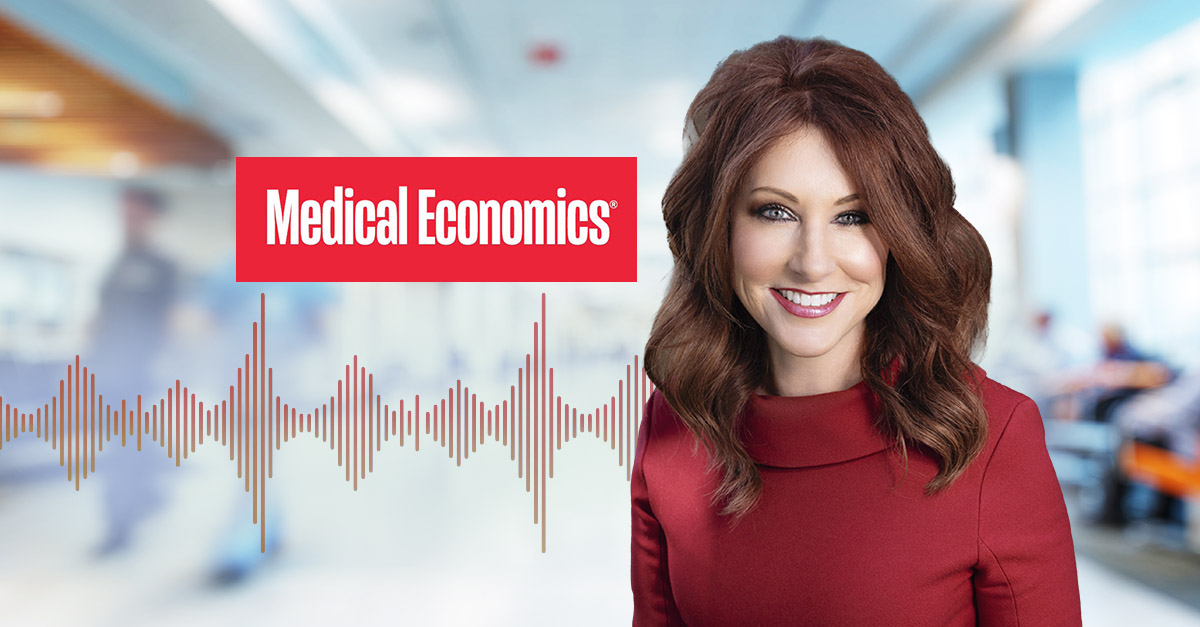


Shannon Sumner, PYA Principal and Firm Chief Privacy Officer, is the featured expert in a recent article and podcast produced by Medical Economics, the leading practice management and finance multi-channel resource for physicians.
In the article, “Physicians face ‘greater scrutiny, less margin for error’ in 2026, compliance expert warns,” and podcast, “The war on health care fraud, with Shannon Sumner, CPA, CHC, of PYA,” Sumner discusses the increasing pressure on physicians and practice leaders in the wake of the launch of the Centers for Medicare & Medicaid Services’ CRUSH initiative (Comprehensive Regulations to Uncover Suspicious Healthcare) and other escalating compliance and fraud enforcement efforts in 2026.
She also comments on how value-based care is impacted, the significant increase in the use of artificial intelligence, data transparency and accuracy, and the urgent need for healthcare leaders to establish proactive—not reactive—compliance programs:
In the article, Sumner states, “The times have changed. The emphasis used to be on the large entities, the big health systems and the insurance providers….If your readers search for health care fraud in the practice setting, they will see that regulators are going after individual providers and individual physicians….The larger point is that health care fraud enforcement is not going away. Last year was probably the largest year in terms of health care fraud recoveries, at more than $6 billion. These are easy targets because of the growing use of data analytics.
“The enforcement environment in 2026 is really more data-driven and pattern-focused than ever before. Investigations are increasingly triggered by analytics….If you haven’t already, you really should create a compliance framework to monitor high-risk areas. Billing, coding and documentation integrity remain major concerns. The Office of Inspector General (OIG) and the DOJ continue to prioritize improper payments in high-risk areas. Those include evaluation and management level selection and medical necessity, modifier misuse, incident-to billing, split and shared visits, and telehealth documentation compliance.”
With more than 30 years of experience in healthcare internal auditing and regulatory compliance, Sumner helps healthcare organizations of all sizes strengthen their compliance programs.
Read the full article in Medical Economics.
Listen to the Medical Economics podcast, featuring Shannon Sumner.
PYA experts are committed to helping physicians and health systems manage today’s compliance challenges to maximize performance and focus on patient care.