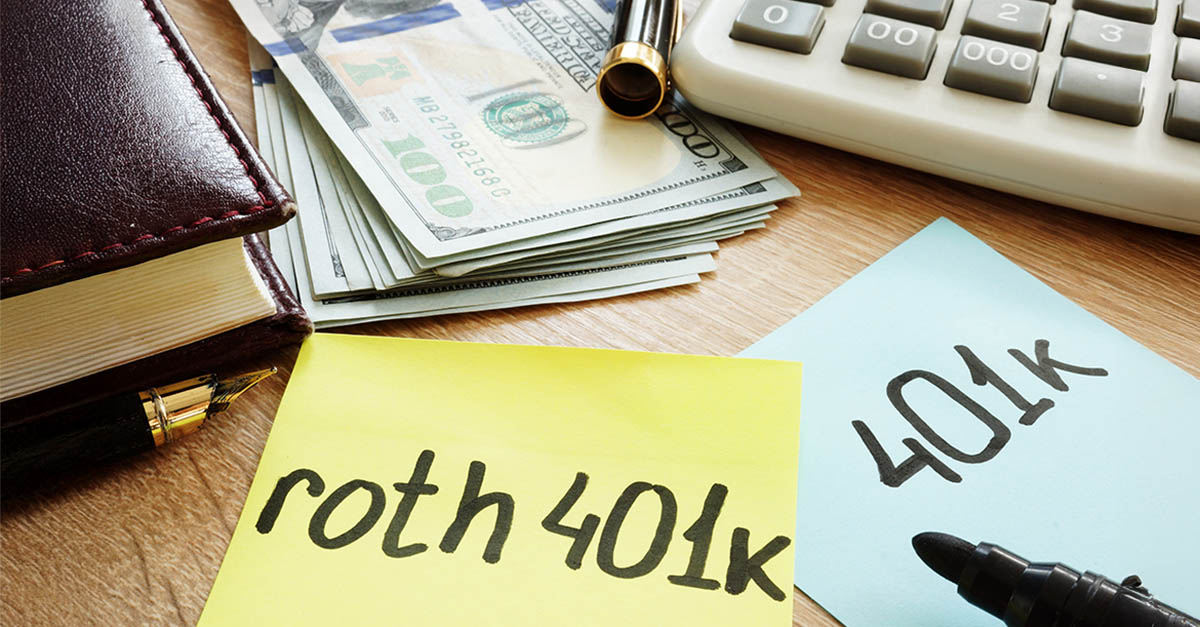



If you’re age 50 or older and a high-net-worth individual or high earner who is maximizing your 401(k) contribution, a major change has been implemented that could affect how you contribute to your workplace plan. Beginning in 2026, many savers will be required to make their catch‑up contributions—voluntary, tax-advantaged contributions made to accelerate savings in retirement accounts—to a Roth retirement account (after‑tax) rather than a traditional (pre‑tax) option.
This change comes from the SECURE Act 2.0 and is a shift in how higher‑earning individuals can save. Now is the time to review your savings elections and understand how the new rules may impact your tax planning.
2026 Catch-up Contribution Rules: What Changed and Who is Affected
Who is Affected
You may be impacted if
-
- You are age 50 or older (or will be by the end of 2026) and
- You earned more than $150,000 in FICA wages in 2025 from the employer sponsoring your retirement plan.
What’s Changing in 2026
-
- Catch‑up contributions for high earners must be made to a Roth 401(k).
- The traditional (pre‑tax) option for catch‑up dollars will no longer be available.
Why This Matters: The Risk of Losing Catch‑Up Contributions
For high earners, the IRS now requires catch‑up contributions to be made to a Roth account.
If your employer’s plan does not offer a Roth feature:
-
- You cannot make catch‑up contributions at all and
- Your catch‑up limit effectively becomes zero.
If you think this limitation may apply to you, check with your plan administrator as soon as possible.
How Roth Catch-up Rules Affect Your 401(k) Contribution Strategy
Many plans allow you to set a contribution percentage, and once you hit the standard limit, the plan automatically shifts any additional dollars into catch‑up contributions.
The new rule creates complexity in important ways:
-
- Your first $24,500 will follow the traditional/Roth split you’ve chosen.
- Once you cross that limit, all catch‑up dollars must be made to a Roth account if you’re a high earner.
What the Change Means for You
If you currently make some or all of your contributions on a traditional (pre‑tax) basis, your overall mix will shift toward Roth, increasing your taxable income today.
To maintain a similar tax balance, you may need to adjust the traditional portion of your base contributions.
2026 Action Items
Take these steps to understand how the catch-up contribution change might impact you and adjust your retirement elections as needed:
1. Review Your 2025 W‑2
-
- Look at Box 3 to see whether your wages exceed $150,000.
2. Confirm Your Plan’s Features
-
- Verify that your employer offers a Roth 401(k) option. If not, you may lose the ability to make catch‑up contributions.
3. Revisit Your Contribution Mix
-
- Estimate how much of your 2026 contributions will be forced into a Roth account and adjust your traditional/Roth split accordingly.
- If you currently contribute only to traditional options, prepare for the tax impact of Roth catch‑up dollars.
4. Consult Your Tax Professional
-
- Discuss how the shift to Roth catch‑up contributions may affect your tax bracket, withholding, and overall planning.
What the Catch-up Contribution Change Means to Businesses
The change to catch-up contributions means businesses should take key steps:
- Consider adding a Roth 401(k) option to allow higher-wage employees to save more
- Update payroll
- Educate staff
- Communicate with employees
PYA Can Help
PYA’s tax experts offer tax advisory, strategic direction, and foresight to manage complex financial affairs for high-net-worth individuals and help businesses understand and strategically adjust to new requirements.